
Tech earnings reports are quarterly financial disclosures that reveal whether your telecommunications provider is investing in network improvements, facing financial pressure that could lead to price increases, or maintaining the stability needed to honor long-term service commitments. For Canadian consumers, these reports offer a window into the financial health of companies like Rogers, Telus, and Bell, translating abstract numbers into tangible impacts on service quality, coverage expansion, and pricing strategies.
Understanding these reports requires familiarity with a few key metrics. Revenue growth indicates whether a company is gaining or losing market share. Free cash flow shows the funds available for network upgrades and infrastructure investment. Subscriber churn rates reveal customer satisfaction levels and competitive pressure. Capital expenditure figures tell you how much money is flowing into tower construction, 5G deployment, and fiber network expansion.
Canadian telecom companies typically release earnings reports four times per year, following each fiscal quarter. These reports include both backward-looking financial results and forward-looking guidance that can signal upcoming service changes, price adjustments, or network improvements in your area. A provider posting strong earnings with high infrastructure spending generally means better long-term service reliability. Conversely, declining revenues or rising debt loads can foreshadow cost-cutting measures that affect customer support quality or slow the rollout of new technologies.
Learning to interpret these financial documents transforms you from a passive consumer into an informed decision-maker who can anticipate changes before they hit your monthly bill.
Why Telecom Earnings Reports Matter to Canadian Consumers
When a Canadian telecom company reports strong quarterly earnings, that financial performance directly shapes your daily experience as a customer. Revenue growth and profitability determine how much a carrier can invest in network infrastructure, whether it will expand LTE and 5G coverage in rural areas, and how quickly it can upgrade aging equipment that affects call quality and data speeds.
Financial health influences pricing decisions in both directions. A carrier posting healthy margins might maintain competitive pricing to grow market share, or it might raise prices if management prioritizes short-term profit extraction over subscriber growth. Conversely, companies under earnings pressure often respond by reducing plan value, cutting data allowances, eliminating promotional offers, or adding fees, rather than improving efficiency.
Customer support quality correlates closely with revenue trends. When a telecom provider reports expanding revenue and subscriber counts, it typically has budget flexibility to hire support staff, improve training programs, and invest in better service platforms. During periods of revenue decline or margin compression, you’ll often notice longer wait times, reduced support hours, and more outsourced call centers with less authority to resolve billing disputes or technical issues.
The metrics telecom companies emphasize in earnings reports reveal strategic priorities. A carrier highlighting subscriber additions and network investment signals a growth focus that generally benefits consumers through better coverage and competitive offers. When earnings calls shift emphasis to cost reduction, operational efficiency, and EBITDA improvement, consumers should prepare for service cuts, reduced network spending, and tighter policies on plan changes or device upgrades.
Revenue trends also signal competitive positioning. A carrier losing ground to rivals will eventually respond through aggressive promotional pricing or network differentiation investments, both potentially advantageous for consumers monitoring these patterns.
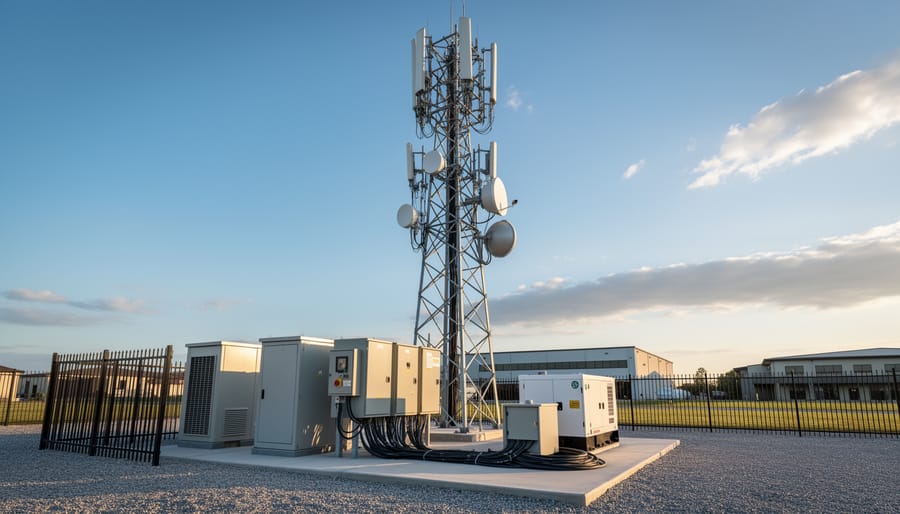
Key Metrics in Tech Company Revenue Reports
Revenue and Growth Indicators
Total revenue represents the top line of any earnings report, the complete value of goods and services a company sold during the quarter. For telecom providers, this figure captures subscription fees, device sales, roaming charges, and other service revenues combined. When Air Canada reported record first quarter operating revenues of $5.8 billion for Q1 2026, that number reflected the airline’s total sales activity during those three months.
Quarter-over-quarter growth matters more than the absolute figure. A telecom company posting $2 billion in revenue sounds substantial, but if that’s down from $2.3 billion the previous quarter, it signals declining market share or pricing pressure. Consistent revenue increases suggest a provider is attracting new customers, successfully raising prices, or expanding into new services, all indicators of competitive strength.
Growing revenue alone doesn’t guarantee financial health, but stagnant or shrinking numbers often precede service cutbacks. When Canadian telecom revenue trends show a provider lagging behind competitors, that company may face pressure to cut network investment or reduce customer support to maintain profitability. Revenue trajectory reveals whether your provider is gaining ground or losing it.
Profitability Measures
Operating income and EBITDA (Earnings Before Interest, Taxes, Depreciation, and Amortization) reveal whether a company is actually making money from its core business operations, not just generating revenue. Operating income shows profit after covering all operating expenses like network maintenance, customer service, and employee salaries. It’s a straightforward measure of operational efficiency, higher operating income relative to revenue means the company runs a tighter ship.
EBITDA strips out financing decisions, tax variations, and accounting treatments for long-term assets to show underlying operational performance. This metric helps you compare companies with different capital structures or tax situations. Air Canada’s first quarter 2026 results illustrate these measures in practice: the airline reported operating income of $117 million and adjusted EBITDA of $623 million on revenues of $5.8 billion. The gap between these figures reflects depreciation and amortization expenses, which don’t immediately drain cash but represent real asset consumption over time.
For telecom consumers, strong profitability measures signal a provider has room to invest in network improvements, weather economic downturns, and potentially offer competitive pricing without compromising service quality.
Customer-Focused Metrics
Subscriber counts, additions, and losses reveal how well a company retains and attracts customers, metrics that translate directly to competitive strength. A telecom provider reporting steady subscriber growth signals effective service delivery and pricing, while declining numbers suggest customers are leaving for competitors. Quarter-over-quarter subscriber changes show momentum: consistent gains indicate market share expansion, whereas losses often precede broader strategic shifts like network upgrades or plan restructuring.
Average revenue per user (ARPU) measures how much each customer generates monthly and reflects pricing power and service mix. Rising ARPU can indicate successful upselling to premium plans or data-heavy services, but it may also signal price increases that could affect affordability. Declining ARPU might suggest aggressive promotional pricing to stem churn or a shift toward budget-conscious plans. Together, subscriber trends and ARPU provide a clearer picture than revenue alone: a company can grow revenue while losing customers if remaining users pay more, or add subscribers while generating less per person through discounting.
Reading Between the Lines: What Companies Don’t Say
What management chooses not to say in an earnings report often reveals as much as the numbers themselves. When Air Canada suspended its full-year 2026 guidance after reporting strong Q1 results, including record revenues of $5.8 billion and adjusted EBITDA of $623 million, that absence spoke volumes about uncertainty ahead, despite current performance.
Companies use forward-looking statements and adjusted forecasts as strategic communications tools. When a telecom provider suspends guidance or qualifies its outlook with phrases like “subject to market conditions” or “pending regulatory outcomes,” it signals genuine uncertainty about variables that could significantly impact results. This isn’t necessarily catastrophic, but it tells you management sees obstacles they can’t confidently quantify.
Pay attention to what gets emphasized versus what gets buried. If a company highlights subscriber additions but glosses over average revenue per user, they may be acquiring customers at unsustainable promotional rates. When management spends considerable time discussing “one-time charges” or “restructuring costs” quarter after quarter, those exceptional items may actually be ongoing operational challenges.
The language around capital expenditure plans carries particular weight for telecom consumers. Vague commitments to “continue investing in our network” differ substantially from specific dollar amounts and deployment timelines. When companies reduce or defer planned infrastructure spending without clear justification, that often precedes service quality issues.
Watch for changes in metric definitions between quarters. If a company suddenly reports “adjusted” subscriber counts or redefines how it calculates churn, question why the methodology changed and what the old method would have shown. These alterations sometimes mask deteriorating performance beneath superficially positive headlines.
Conference call Q&A sessions, typically held alongside earnings releases, reveal what analysts consider weak points. When executives dodge questions about competitive pressure or provide non-answers about pricing strategy, note which topics they’re uncomfortable addressing. That discomfort often indicates areas of genuine business vulnerability that will eventually affect your service experience.
How to Find and Understand Earnings Reports
Accessing earnings reports is straightforward once you know where to look. Canadian telecom companies and major tech firms release their financial results quarterly, typically within 45 days of each quarter’s end. You’ll find these reports in two primary locations: the company’s investor relations page and SEDAR+, Canada’s official system for filing corporate documents. The investor relations section usually offers a more accessible format with press releases highlighting key figures, while regulatory filings provide complete detail.
Most companies follow a predictable schedule. For example, Air Canada reported its first quarter 2026 financial results on April 30, 2026, while The Home Depot announced first quarter fiscal 2026 results on May 19, 2026. Many telecoms report within similar windows after quarter-end, making it easy to anticipate when new data becomes available.
When you access an earnings report, focus your attention strategically rather than reading every page:
- Start with the press release summary, which distills the quarter’s headline numbers, revenue, net income, and subscriber metrics, into digestible highlights.
- Review the management discussion and analysis section, where executives explain performance drivers, challenges faced, and strategic priorities that affect service delivery.
- Examine the financial statements for revenue trends across consecutive quarters, showing whether growth is accelerating or slowing.
- Read forward-looking statements carefully, noting what management commits to versus areas where they express caution or suspend guidance.
- Check the earnings call transcript if available, as analyst questions often surface details not emphasized in prepared materials.
You don’t need financial training to extract useful insights. Companies structure these documents to communicate with investors at varying expertise levels. Focus on year-over-year comparisons, which reveal true performance trends by accounting for seasonal variations, and watch for plain-language explanations that contextualize the numbers. Most press releases include executive quotes that translate financial results into strategic narrative, helping you understand what the figures mean for future service priorities.

What Recent Tech Earnings Tell Us About the Canadian Telecom Landscape
Recent earnings reports from 2026 reveal several patterns that shape the Canadian telecommunications landscape, though direct telecom data must be interpreted alongside broader technology sector trends.
Investment in infrastructure remains a central theme. Companies across technology sectors continue to prioritize capital expenditures that support network modernization and capacity expansion. This pattern suggests Canadian telecom providers face ongoing pressure to maintain competitive network quality, particularly as consumer demand for data-intensive services grows. The scale of these investments typically appears in capital expenditure line items and management commentary about future network capabilities.
Competitive pressures show up consistently in subscriber metrics and pricing discussions. When companies report flat or declining average revenue per user, it signals aggressive market competition that often translates to better plan values for consumers. Conversely, growing ARPU without corresponding subscriber losses indicates successful premium service positioning. The Canadian market’s concentration among major providers means these competitive dynamics directly affect pricing strategies and promotional offers available to consumers.
Strategic priorities visible in 2026 reports emphasize operational efficiency during uncertain economic conditions. Air Canada’s suspension of full-year 2026 financial guidance exemplifies corporate caution when facing unpredictable market conditions. This conservative approach appears across sectors, suggesting telecom providers may similarly prioritize financial stability over aggressive expansion. For consumers, this often means more measured pricing changes and careful service rollouts rather than dramatic market disruption.
Customer acquisition costs and retention spending provide insight into how aggressively companies compete for market share. Higher spending in these areas typically correlates with improved customer service experiences and more attractive switching incentives. Reports showing disciplined spending suggest stable markets where providers focus on existing customer satisfaction rather than costly acquisition battles.
These trends collectively indicate a maturing market focused on sustainable growth rather than rapid disruption, affecting everything from plan pricing to network investment timelines.
Red Flags and Positive Signals to Watch For
When reviewing a telecom provider’s earnings report, certain financial patterns reveal whether the company is positioned for stability or facing challenges that could affect your service. Knowing what to look for helps you separate routine market fluctuations from genuine concerns.
| Warning Signs | Positive Indicators |
|---|---|
| Consecutive quarters of subscriber losses | Steady subscriber growth or stable retention |
| Shrinking profit margins despite revenue growth | Expanding margins showing operational efficiency |
| Rising debt levels without clear investment purpose | Strong free cash flow and manageable debt |
| Suspended guidance or repeated forecast reductions | Consistent infrastructure investment commitments |
| Declining average revenue per user quarter over quarter | Growing ARPU indicating successful value delivery |
Subscriber trends deserve particular attention. A single quarter of modest customer losses might reflect seasonal patterns or a specific market event, but consistent subscriber declines suggest deeper competitive or service issues. Watch whether the company attributes losses to specific causes and whether they outline credible recovery plans.
Margin compression presents another red flag. When a provider’s revenue grows but profits shrink as a percentage of sales, it signals rising costs they cannot pass to customers or inefficient operations. This pressure often leads to cost-cutting measures that can affect network maintenance, customer service staffing, or plan value.
Debt levels require context. Telecom companies routinely carry debt to finance network expansion, which benefits consumers through better coverage and speeds. The concern arises when debt increases without corresponding infrastructure investment, or when interest payments consume cash that would otherwise fund service improvements.
Strong free cash flow stands as perhaps the most reliable positive signal. Companies generating substantial cash after capital expenditures can weather market disruptions, invest in network quality, and maintain competitive pricing without financial strain. When you see a provider reporting healthy cash generation alongside announcements of network expansion or technology upgrades, those investments have solid financial backing rather than being aspirational statements.

Making Informed Telecom Decisions Using Financial Data
Financial data offers valuable context for telecom decisions, but it works best as part of a broader evaluation rather than a standalone factor. When considering a provider switch, check recent earnings reports for signs of sustained network investment and subscriber growth, indicators that the company prioritizes infrastructure quality and customer retention. If a provider shows declining margins alongside aggressive promotional pricing, those discounts might prove temporary or come with service trade-offs.
Timing matters for major commitments. Avoid locking into multi-year contracts immediately after a provider announces cost-cutting measures or significant debt increases, as these often precede service reductions or price hikes. Conversely, companies reporting strong cash flow and infrastructure spending typically maintain more stable pricing and service levels.
Use financial health as a screening tool rather than a decision-maker. A provider with solid earnings and subscriber additions still isn’t right for you if their coverage map shows weak signal in your area or their plans don’t match your usage patterns. Similarly, a provider facing financial headwinds might still offer the best value if they serve your region well and their challenges stem from competitive markets rather than operational failures.
Combine earnings insights with practical factors: coverage maps, customer service reviews, plan flexibility, and total cost over your intended contract length. Financial stability matters because it suggests a provider can maintain and improve their network, but your specific needs, data allowances, rural coverage, device compatibility, ultimately drive the right choice.
Earnings reports offer a window into your wireless provider’s financial health, but they’re just one piece of the puzzle. Understanding basic metrics like revenue growth, profitability, and subscriber trends helps you spot whether a company is investing in its network or cutting corners to preserve margins. That context matters when you’re committing to a multi-year contract or evaluating whether your provider can deliver on promised network improvements.
However, financial stability doesn’t automatically translate to better service at your address. A profitable company might still have poor coverage in your area, while a provider showing subscriber losses could offer excellent value in specific markets. Balance what you learn from earnings reports with hands-on research: check coverage maps for your postal code, read recent customer reviews about network performance and support quality, and compare current plan pricing across providers.
You don’t need accounting expertise to be an informed consumer. Knowing where your provider stands financially just adds another layer to your decision-making process. Combine that knowledge with practical factors like network quality, plan features, and customer service reputation. The goal is a complete picture that helps you choose a provider that’s both financially sound and genuinely suited to your connectivity needs.